The Subtle Alchemy of Software: How Lines of Code Shape Modern Life

Introduction: The Silent Pulse Beneath Our Screens
We inhabit a world where a tap on glass can hail a ride, transfer money across continents, or stream a film in seconds. Yet for all its simplicity on the surface, the true magic lies deep beneath our fingertips—woven into the invisible threads of software. Unlike hardware, which we can see and hold, software is the intangible force that breathes purpose into circuits and screens. It is an alchemy of logic and creativity, transforming raw silicon into the enabler of our daily conveniences and grandest ambitions.
Understanding Software: More Than Just Instructions
At its simplest, software is a set of instructions that tells a computer or device what to do. But beneath this dry definition lies a realm of extraordinary complexity and quiet elegance. Software is the digital architecture that enables everything from operating systems that run our laptops to life-saving medical equipment and the algorithms that power space exploration.
Broadly, software can be grouped into three main categories:
-
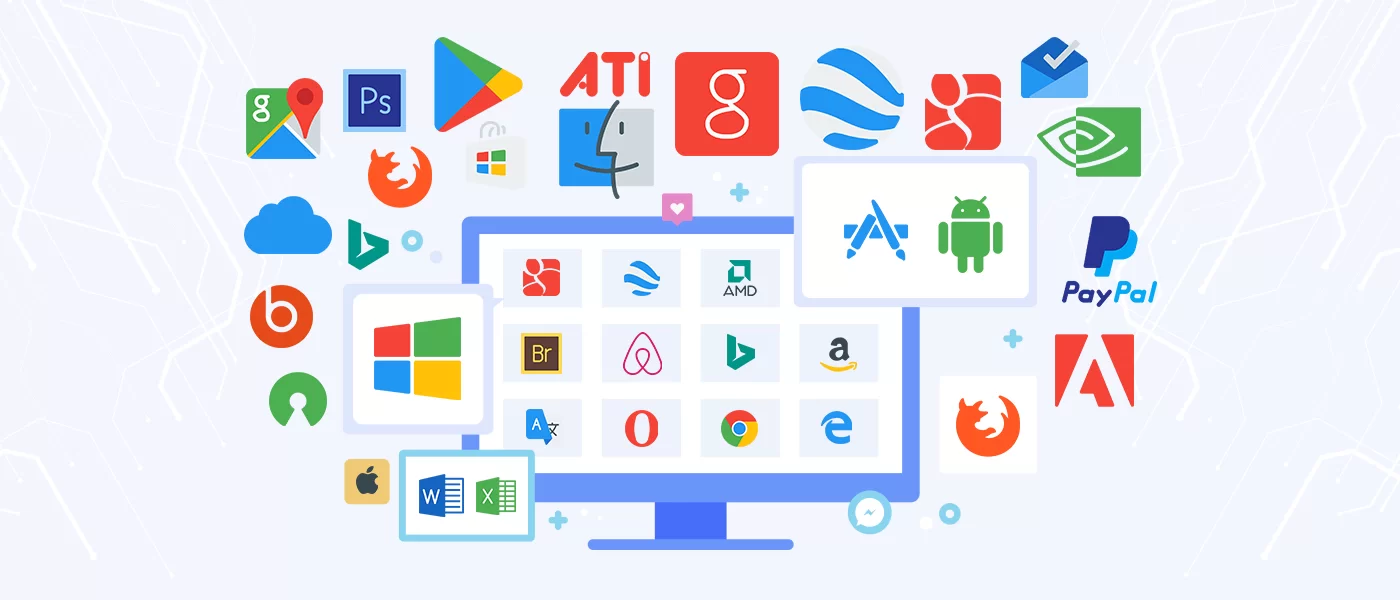
System Software: The foundation that manages hardware resources and creates the environment in which applications run. Examples include operating systems like Windows, macOS, and Linux.
-
Application Software: Programs designed for end users to perform tasks—word processors, photo editors, web browsers, mobile apps, and countless others.
-
Embedded Software: Code built directly into hardware to control specific functions—whether inside a washing machine, a modern car, or industrial robots.
These categories may seem straightforward, but together they orchestrate an astonishing range of tasks that keep modern civilization humming smoothly.
The Lifecycle of Software: From Concept to Reality
While the output of software development may appear seamless to the user, the process behind it is anything but accidental. Crafting dependable, secure, and user-friendly software demands discipline, foresight, and endless refinement.
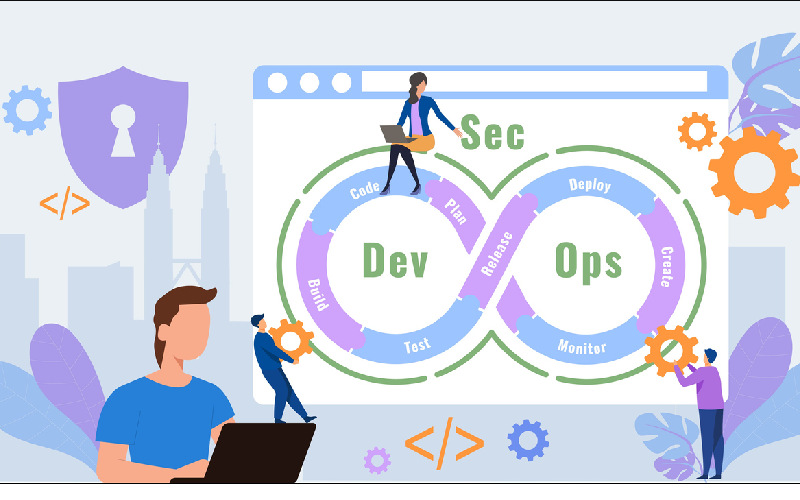
A typical software lifecycle follows stages such as:
-
Requirement Gathering: Understanding the problem and defining exactly what the software must achieve.
-
Design and Architecture: Outlining the structure, data flows, and how various parts will communicate.
-
Implementation: Writing the actual code that brings the design to life.
-
Testing: Checking for errors, vulnerabilities, and unexpected behavior through rigorous scenarios.
-
Deployment: Releasing the software to users, whether through downloads, app stores, or cloud-based services.
-
Maintenance and Updates: Fixing bugs, releasing patches, and adapting the software to changing needs and technological shifts.
Today, many development teams embrace Agile and DevOps methodologies, favoring incremental improvements, frequent testing, and rapid feedback loops over rigid, linear models.
The Languages of Software: Choosing the Right Tool
Software development thrives on a rich diversity of programming languages. Each language brings its own philosophy, strengths, and quirks.
Consider some examples:
-
Python: Renowned for its clarity and versatility, ideal for AI, automation, and data science.
-
Java: The stalwart of enterprise applications and Android mobile apps.
-
JavaScript: The dynamic backbone of interactive web experiences.
-
C++: Trusted for performance-heavy tasks like gaming engines and systems programming.
-
Swift: Apple’s answer to elegant, safe, and modern app development for iOS and macOS.
Choosing the right language influences everything from speed of development to security and long-term maintainability. Experienced developers understand that fluency in multiple languages is a powerful asset in today’s fast-evolving landscape.
Designing for the Human Experience
One truth endures in software: what works technically must also work for people. A beautifully coded program is worthless if it confuses its users or disrupts their workflow. That is why UX (User Experience) and UI (User Interface) design are as crucial as the logic running underneath.
Thoughtful software design:
-
Provides intuitive, frictionless navigation.
-
Responds quickly to user actions, with clear feedback.
-
Adapts to diverse devices, screen sizes, and accessibility needs.
-
Respects cultural differences and user expectations.
When design and engineering align, software fades into the background—doing its job so smoothly that users barely notice the sophisticated machinery at work.
The Open-Source Movement: Collaboration Without Borders
One of software’s greatest gifts to humanity is the spirit of open source. Instead of hoarding knowledge behind closed doors, open-source communities share their code freely, inviting improvement and adaptation.
Consider examples like:
-
Linux: The bedrock of countless servers and devices.
-
Apache: The world’s most popular web server software.
-
WordPress: Empowering millions of sites worldwide.
Open source embodies the best of programming culture—knowledge democratized, skills shared, and innovation unleashed by countless minds working together.
Modern Challenges: A Double-Edged Sword
While software makes life easier, its reach brings new responsibilities and risks. Developers and companies face pressing challenges:
-
Cybersecurity: Protecting systems from increasingly sophisticated attacks.
-
Data Privacy: Building trust by safeguarding personal information.
-
Ethical Use: Ensuring that algorithms don’t perpetuate bias or cause unintended harm.
-
Technical Debt: Managing old, inefficient code that can slow future innovation if neglected.
In an age where software underpins everything from banking to national security, each line of code carries weight. Mistakes and oversights can cascade into outages, breaches, or worse.
The Road Ahead: Software’s Boundless Frontier
As technology evolves, so too does software’s potential. Emerging trends suggest a future both exhilarating and challenging.
-
Artificial Intelligence: Already embedded in everyday tools, AI will deepen software’s ability to predict, personalize, and automate tasks once unthinkable for machines.
-
Cloud Computing: Applications increasingly run on vast distributed networks rather than local devices, unlocking scalability and collaboration.
-
Low-Code and No-Code: Visual development tools empower non-programmers to build functional apps, democratizing creation.
-
Quantum Software: As quantum computers mature, entirely new ways of thinking about code will emerge, solving problems beyond the reach of classical machines.
Each advance expands what is possible—but also demands fresh thinking about ethics, security, and sustainable design.
Conclusion: The Quiet Miracle of Software
Behind every effortless app, every seamless transaction, and every streamed video lies an intricate tapestry of human thought translated into code. Software is a silent miracle—a reminder that logic and imagination, when intertwined, can reshape industries, societies, and individual lives.
The next time you swipe, tap, or click, pause for a moment. Consider the unseen craft behind that tiny moment of convenience. A programmer somewhere—perhaps years ago—carefully shaped that interaction so you wouldn’t have to think about it at all.
In that silent click lives the enduring promise of software: invisible engines, tirelessly turning the wheels of the modern world, line by line, forever pushing the edge of what humans can dream, build, and share.