
Software development is evolving at a rapid pace, driven by technological innovation, changing business needs, and growing user expectations. What once required years of planning and rigid systems now demands agility, intelligence, and scalability. Understanding the trends shaping the future of software development is essential for businesses, developers, and decision-makers aiming to stay competitive in a digital-first world.
The Rise of Artificial Intelligence in Development
Artificial intelligence is no longer limited to research labs. It is becoming deeply integrated into the software development lifecycle, influencing how applications are designed, built, tested, and maintained.
Key impacts of AI in software development include:
- Automated code generation and intelligent code suggestions
- Predictive bug detection and faster debugging
- AI-powered testing and quality assurance
- Personalized user experiences driven by data insights
As AI tools mature, developers are shifting focus from repetitive tasks to higher-level problem solving and innovation.
Cloud-Native and Serverless Architectures
Cloud-native development has transformed how applications are deployed and scaled. Instead of monolithic systems, teams now build applications using modular, loosely coupled services optimized for the cloud.
Why cloud-native matters
- Scalability on demand without infrastructure overhead
- Improved system resilience and fault tolerance
- Faster development and deployment cycles
Serverless computing takes this further by eliminating server management entirely, allowing developers to focus purely on application logic while cloud providers handle infrastructure.
Low-Code and No-Code Platforms
Low-code and no-code platforms are redefining who can build software. These tools enable faster application development through visual interfaces and pre-built components.
Benefits driving adoption:
- Reduced development time and costs
- Empowerment of non-technical users
- Rapid prototyping and experimentation
While not replacing traditional development, these platforms complement it by accelerating simple and internal application delivery.
DevOps and Continuous Everything
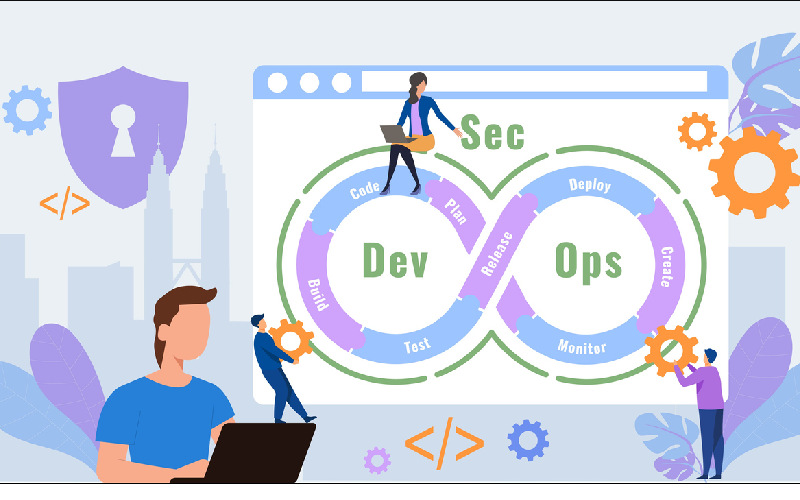
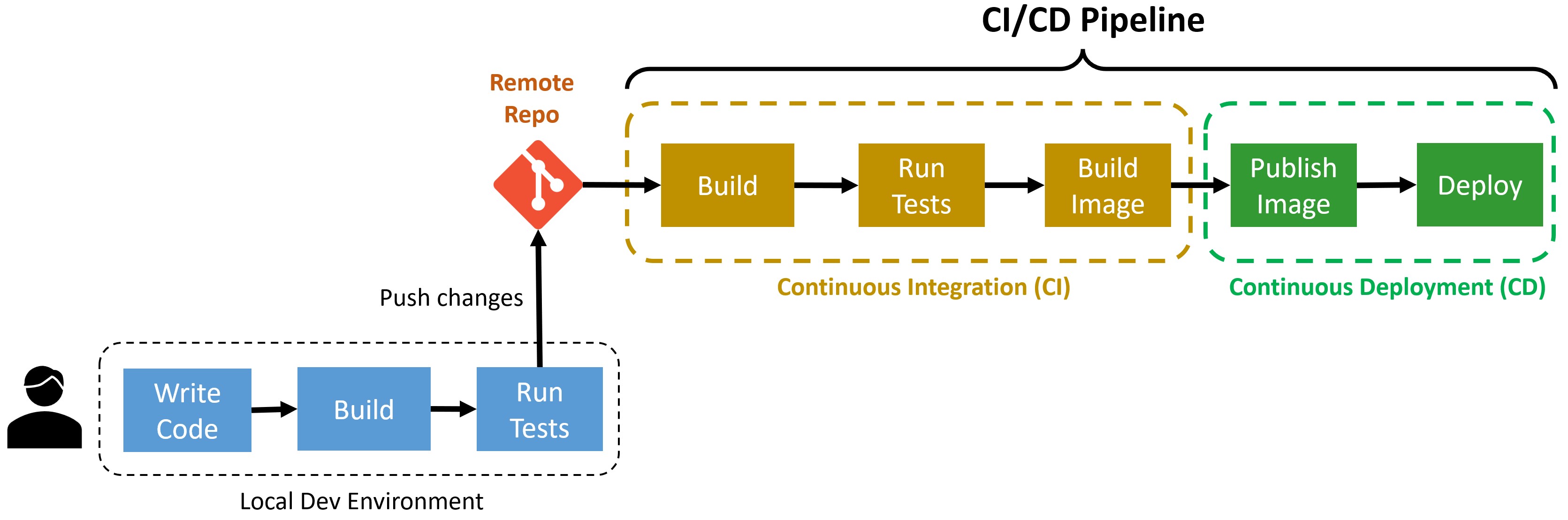
DevOps has evolved beyond a cultural shift into a technical necessity. Continuous integration, continuous delivery, and continuous monitoring are now standard practices for modern software teams.
Core advantages include:
- Faster release cycles with fewer errors
- Improved collaboration between development and operations
- Greater system reliability and performance visibility
Automation is the backbone of this trend, enabling consistent workflows and reducing human error.
Cybersecurity by Design
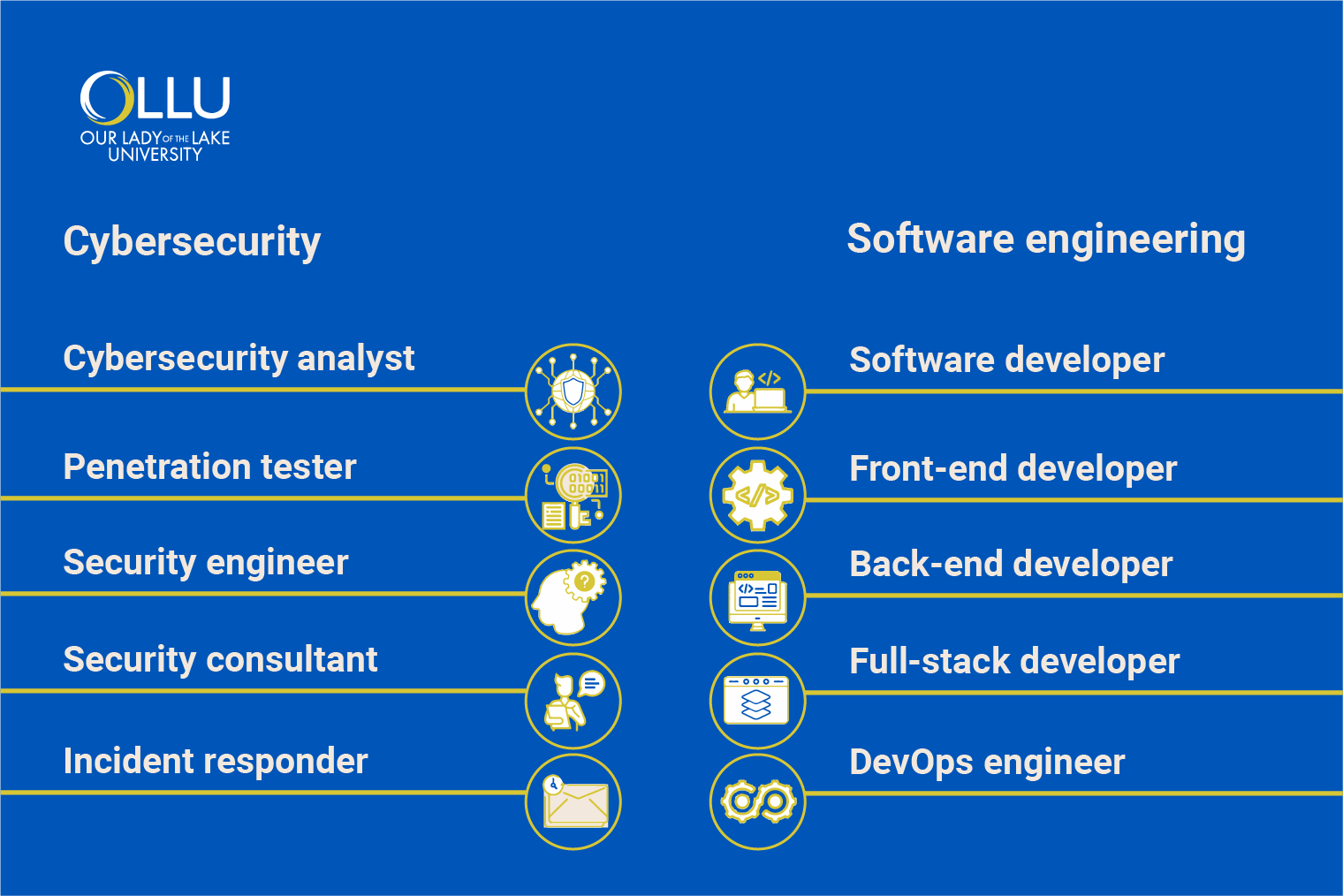
As software becomes more interconnected, security can no longer be an afterthought. Modern development prioritizes security from the earliest stages of design.
Security-focused development trends
- Secure-by-default frameworks
- Automated vulnerability scanning
- Zero-trust architectures
- Privacy-first application design
Embedding security into the development process reduces risk while building user trust.
The Expansion of Edge Computing
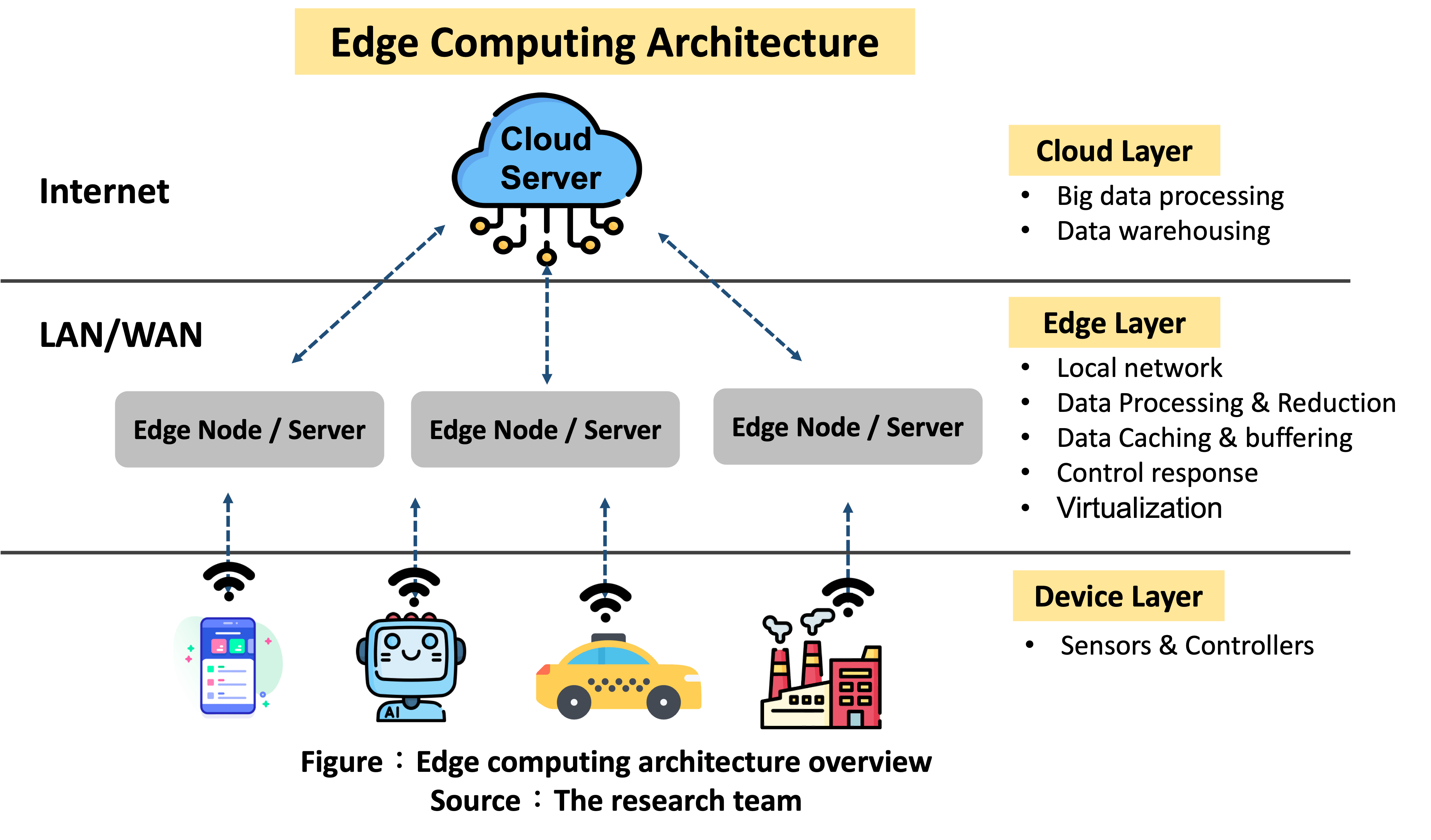
Edge computing is gaining momentum as applications require faster response times and real-time data processing. Instead of relying solely on centralized cloud servers, data is processed closer to the source.
Common use cases include:
- Internet of Things (IoT) applications
- Real-time analytics and monitoring
- Autonomous systems and smart devices
This trend supports low-latency experiences and reduces bandwidth usage.

Remote-First and Global Development Teams
The future of software development is increasingly remote. Distributed teams are now the norm, supported by collaboration tools, cloud environments, and asynchronous workflows.
This shift enables:
- Access to global talent pools
- Flexible work environments
- Around-the-clock development cycles
Successful teams focus on communication, documentation, and shared accountability to maintain productivity.
Sustainable and Green Software Engineering
Sustainability is emerging as a key consideration in software design. Developers are becoming more conscious of energy consumption, performance efficiency, and infrastructure usage.
Green development practices include:
- Optimizing algorithms for lower resource use
- Reducing unnecessary data transfers
- Choosing energy-efficient cloud services
These practices not only benefit the environment but also reduce operational costs.
Conclusion
The future of software development is shaped by intelligence, automation, security, and flexibility. Organizations that embrace these trends can build more resilient, scalable, and user-centric applications. For developers, staying adaptable and continuously learning is the key to thriving in an industry defined by constant change.
Frequently Asked Questions (FAQ)
1. How will AI change the role of software developers?
AI will automate repetitive tasks, allowing developers to focus more on architecture, creativity, and complex problem-solving rather than routine coding.
2. Are low-code platforms suitable for enterprise applications?
They are well-suited for internal tools and rapid development, but complex enterprise systems still require traditional development approaches.
3. What skills will future software developers need most?
Critical skills include cloud computing, security awareness, system design, data literacy, and the ability to work with AI-assisted tools.
4. Is cloud-native development replacing on-premise systems entirely?
Not entirely. Many organizations adopt hybrid models, combining cloud-native solutions with existing on-premise infrastructure.
5. How does DevOps impact software quality?
DevOps improves quality through continuous testing, automation, and faster feedback loops, reducing errors and downtime.
6. Why is edge computing becoming important now?
The growth of IoT and real-time applications requires low latency and faster data processing closer to users and devices.
7. What does sustainable software development actually mean?
It involves designing software that uses fewer resources, runs efficiently, and minimizes environmental impact over its lifecycle.