Hardware: The Unsung Backbone of the Digital Revolution

In an increasingly software-driven world, where digital applications, cloud platforms, and artificial intelligence dominate the conversation, the importance of hardware often recedes into the background. Yet, without hardware—those tangible, meticulously engineered components—none of our digital marvels would function. Hardware is the unsung backbone of the digital revolution, the physical manifestation of human innovation that makes computation, communication, and automation possible. This article explores the foundational role hardware plays in modern life, the evolution of its design and function, and why understanding its continued significance is more important than ever.
Defining Hardware: More Than Just Machines
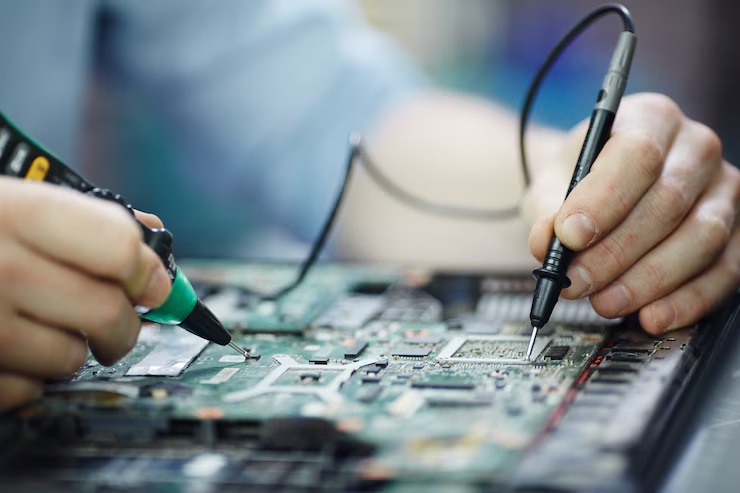
Hardware refers to the physical components of any computer system or electronic device. From central processing units (CPUs) to hard drives, circuit boards, keyboards, and network cables, hardware is everything you can physically touch. It’s the metal, plastic, silicon, and copper that form the structure upon which software operates.
In simple terms, software tells a device what to do, but hardware is what actually performs the task. This symbiotic relationship is often described as hardware being the “body” and software being the “mind.” One without the other is incomplete.
Categories of Hardware: A Structural Overview
To appreciate the role hardware plays, it’s helpful to break it down into categories. Each has a distinct function and contributes to the overall performance and capability of a system.
1. Input Devices
-
Examples: Keyboard, mouse, scanner, microphone
-
Purpose: Allow users to send data and commands into the system
-
Insight: These devices are the entry points of human-computer interaction and must balance ergonomics with precision
2. Processing Components
-
Examples: CPU, GPU, motherboard, RAM
-
Purpose: Execute instructions and process data
-
Insight: The speed, efficiency, and thermal management of these components determine a machine’s core performance
3. Storage Devices
-
Examples: HDDs, SSDs, flash drives, optical discs
-
Purpose: Retain data, either temporarily or permanently
-
Insight: The transition from mechanical drives to solid-state technology marked a turning point in speed and reliability
4. Output Devices
-
Examples: Monitor, printer, speakers, VR headsets
-
Purpose: Translate digital signals into human-perceivable formats
-
Insight: Display and sound hardware directly influence user experience, especially in creative and entertainment industries
5. Networking Equipment
-
Examples: Routers, modems, network cards
-
Purpose: Enable communication between systems and the internet
-
Insight: In the era of remote work and IoT, robust networking hardware is no longer optional—it’s essential
The Evolution of Hardware: From Bulk to Brilliance
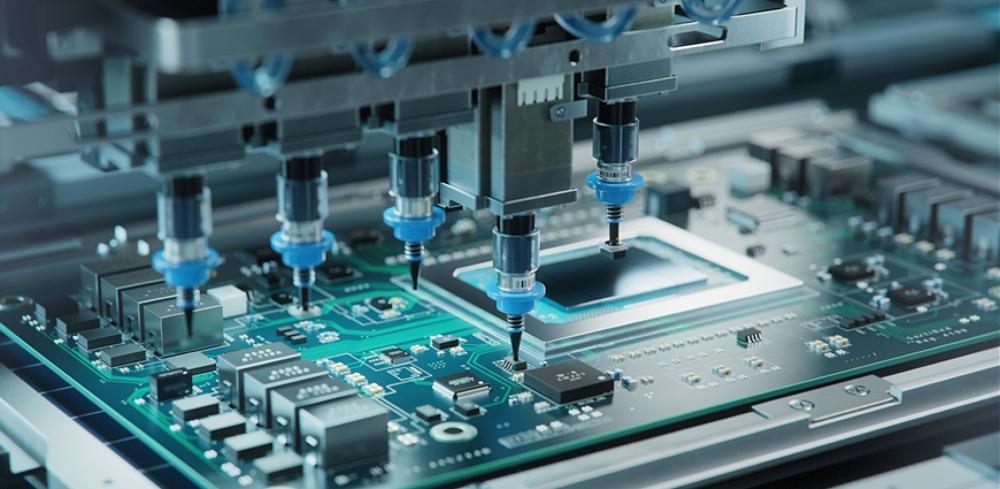
The trajectory of hardware development is a testament to human ingenuity. In the mid-20th century, computers were room-sized machines with vacuum tubes, consuming massive amounts of power and space. Today, smartphones in our pockets outperform those early systems by magnitudes, thanks to miniaturization and advances in semiconductor design.
-
Moore’s Law, the observation that the number of transistors on a microchip doubles approximately every two years, has largely driven hardware innovation for decades
-
The shift from analog to digital circuits, and from bulky CRT monitors to sleek OLED displays, illustrates the rapid pace of progress
-
With the advent of nanotechnology and quantum computing, the very concept of what constitutes “hardware” is evolving in thrilling new directions
The Inextricable Link Between Hardware and Innovation
Every leap in software capability—from generative AI to virtual reality—relies on an equally sophisticated advancement in hardware. You cannot run a machine learning model without a powerful GPU. You cannot enjoy high-fidelity gaming or immersive AR without responsive, high-performance components.
Even cloud computing, often mistakenly viewed as “invisible,” is grounded in data centers filled with millions of physical servers, processors, and cooling systems. These physical infrastructures are the beating heart of our digital ecosystems.
The Sustainability Question: A New Frontier
As our dependency on hardware grows, so does the environmental cost. Manufacturing hardware involves rare earth metals, significant energy consumption, and complex supply chains. E-waste is now one of the fastest-growing waste streams globally.
Forward-thinking companies are tackling this challenge through:
-
Modular Design: Creating devices that can be easily upgraded rather than replaced
-
Recycling Programs: Recovering valuable materials from old electronics
-
Energy-Efficient Components: Designing chips and systems that reduce power usage
Sustainability is fast becoming not just an ethical imperative but a technological one. Tomorrow’s leading hardware manufacturers will be those who innovate responsibly.
Choosing the Right Hardware: A User’s Perspective
Whether you’re a casual user, a creative professional, or a business leader, understanding hardware basics can inform better purchasing decisions. Consider the following:
-
Performance Needs: Gamers and designers may require high-end GPUs, while general users can prioritize battery life or portability
-
Upgradability: Desktops typically allow for more customization, while many laptops and tablets are sealed units
-
Longevity and Support: Look for brands with strong warranties, software support, and repair infrastructure
-
Ecosystem Integration: Choose devices that work seamlessly with your existing tools and platforms
Making informed hardware choices ensures not just better performance but a more enjoyable and efficient user experience.
The Human Element Behind the Hardware
Behind every chip and circuit is a team of engineers, designers, and visionaries. Their work, often invisible to the end user, is a blend of science, art, and intuition. Designing efficient hardware requires not only technical precision but a deep understanding of human behavior and needs.
The tactile feel of a keyboard, the cooling efficiency of a processor, the clarity of a screen—each is the result of countless iterations and design choices. In this sense, hardware is as much about craftsmanship as it is about engineering.
Final Thoughts: A Tribute to the Tangible
In a digital world where the immaterial reigns supreme, hardware remains defiantly physical. It occupies space. It has weight. It warms under stress and cools when idle. And it is precisely this materiality that gives life to code, enables communication, and powers progress.
To appreciate hardware is to acknowledge the very foundation of the technological age. It is not merely equipment or apparatus—it is the vessel of our digital ambitions. As we continue to innovate and dream bigger, let us not forget the enduring role of hardware: solid, silent, and absolutely essential.