

Software development is a complex process that blends technical execution with human collaboration. Even well-planned projects encounter obstacles that can affect timelines, budgets, and product quality. Recognizing common development challenges and applying practical solutions helps teams deliver reliable software while minimizing risk.
Unclear Requirements and Scope Creep
One of the most frequent challenges in software development is poorly defined requirements. When expectations change mid-project, teams lose focus and productivity suffers.
Effective solutions include:
- Clear documentation of functional and non-functional requirements
- Stakeholder alignment before development begins
- Change control processes to manage new requests
Well-defined scope keeps projects focused and prevents unnecessary rework.
Communication Gaps Within Teams
Miscommunication between developers, designers, testers, and stakeholders often leads to misunderstandings and delays.
Ways to improve communication:
- Regular stand-up meetings and progress updates
- Shared documentation and collaboration tools
- Clear ownership of tasks and responsibilities
Strong communication reduces errors and ensures everyone works toward the same goals.
Tight Deadlines and Time Management Issues
Pressure to deliver quickly can result in rushed development, technical debt, and reduced quality.
Proven strategies to manage deadlines:
- Break work into smaller, manageable tasks
- Use realistic timelines based on team capacity
- Prioritize features based on business value
Balanced planning enables teams to maintain quality while meeting delivery expectations.
Managing Technical Debt
Technical debt accumulates when quick fixes replace long-term solutions. Over time, it slows development and increases maintenance costs.
Solutions to control technical debt:
- Regular code reviews and refactoring
- Consistent coding standards
- Allocated time for maintenance in each sprint
Addressing technical debt early prevents future bottlenecks.
Quality Assurance and Bug Management
Late-stage bug discovery can derail releases and damage user trust. Testing is often underestimated or delayed.
Best practices for improving quality:
- Automated testing at multiple levels
- Continuous integration with early feedback
- Dedicated testing phases within development cycles
Early and consistent testing reduces costly post-release fixes.
Adapting to Changing Technologies
Rapid changes in frameworks, tools, and platforms make it difficult for teams to stay current.
Ways to manage technological change:
- Ongoing developer training and learning time
- Evaluating tools before full adoption
- Favoring stable, well-supported technologies
Strategic adoption prevents disruption while keeping systems modern.
Security and Data Protection Risks
Security vulnerabilities can have severe consequences, especially for applications handling sensitive data.
Security-focused solutions include:
- Secure coding practices
- Regular vulnerability assessments
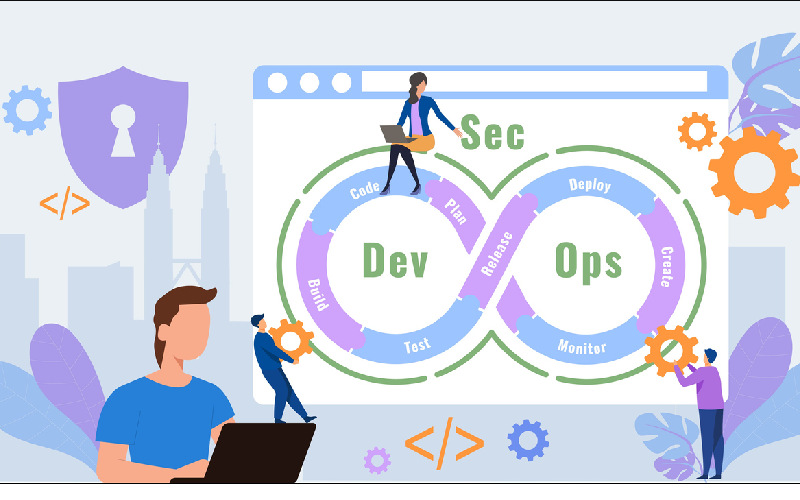
- Integrating security checks into development workflows
Building security into development reduces risk and improves compliance.
Scaling Applications Effectively
Applications that grow faster than expected can suffer from performance and stability issues.
Scalability solutions include:
- Modular and service-oriented architectures
- Performance testing under load
- Infrastructure planning for growth
Designing for scalability from the start ensures smoother expansion.
Balancing Innovation with Stability
Teams often struggle to innovate without destabilizing existing systems.
Balanced approaches include:
- Incremental feature releases
- Feature flags and controlled rollouts
- Monitoring impact before full deployment
This balance allows experimentation without compromising reliability.
Conclusion
Software development challenges are inevitable, but they are not insurmountable. By addressing communication gaps, managing scope, prioritizing quality, and planning for change, teams can turn obstacles into opportunities for improvement. The most successful teams treat challenges as part of the process and respond with structure, adaptability, and continuous learning.
Frequently Asked Questions (FAQ)
1. Why do software projects often exceed their original timelines?
Unclear requirements, scope changes, and underestimated complexity are the most common reasons for delays.
2. How can teams reduce misunderstandings with stakeholders?
Frequent communication, visual prototypes, and written documentation help align expectations early.
3. Is technical debt always bad?
Not always. Strategic technical debt can speed delivery, but unmanaged debt becomes a long-term problem.
4. What role does testing play in project success?
Testing ensures reliability, reduces user-facing issues, and protects the product’s reputation.
5. How do teams handle rapidly changing technologies?
By prioritizing learning, adopting tools carefully, and avoiding unnecessary technology churn.
6. Can small teams face the same challenges as large teams?
Yes. While scale differs, issues like communication, scope, and quality affect teams of all sizes.
7. How can software teams prepare for future challenges?
Continuous improvement, skill development, and flexible processes help teams adapt to evolving demands.