
Software is everywhere—woven seamlessly into the fabric of modern life, powering everything from the smartphones in our pockets to the systems that manage national infrastructure. Though intangible, it is one of the most consequential inventions in human history. Software is the silent architect of the digital age, shaping how we work, connect, create, and evolve. While often overshadowed by its more visible counterpart, hardware, software is the true enabler of function, intelligence, and innovation in today’s technological ecosystem.
This article explores software from a holistic perspective—its nature, history, classifications, development processes, and the philosophical and practical implications it has for society at large.
Understanding Software: The Intangible Engine
At its core, software is a set of instructions that tell a computer how to perform specific tasks. It is the code written by developers, executed by machines, and experienced by users in the form of applications, systems, and tools. Unlike hardware, software has no physical presence, yet its influence is undeniably real and far-reaching.
Software is not just about utility; it embodies logic, creativity, and design. It converts binary input into meaningful output, transforming raw data into decisions, movements, interactions, and experiences. It is, quite literally, the brain behind every modern digital device.
A Brief History: From Lines of Code to Global Platforms
The story of software began humbly in the mid-20th century, during an era dominated by massive machines and punch cards. Early software was basic and purpose-specific, written in assembly languages with limited flexibility. As computing evolved, high-level languages like FORTRAN, COBOL, and later C and Pascal emerged, enabling more sophisticated, readable, and reusable code.
The late 20th and early 21st centuries witnessed an explosion in software development. The rise of personal computing, the birth of the internet, and the emergence of mobile and cloud technologies transformed software from a niche technical craft into a central pillar of global innovation. Today, software powers not only computers and phones but also vehicles, homes, cities, and economies.
Categories of Software: A Structured Overview
To appreciate the scope of software, it’s important to understand its primary classifications. Each category serves a distinct function in the computing landscape.
1. System Software
-
Examples: Operating systems (Windows, macOS, Linux), device drivers, firmware
-
Purpose: Serve as the foundation for all computing activities by managing hardware and core system functions
-
Insight: Without system software, other programs cannot function. It acts as the bridge between physical hardware and user applications
2. Application Software
-
Examples: Word processors, graphic design tools, web browsers, email clients
-
Purpose: Perform specific tasks for the user, whether personal, educational, or professional
-
Insight: This is the most visible form of software and is often customized to meet diverse user needs
3. Programming Software
-
Examples: Text editors, compilers, debuggers, integrated development environments (IDEs)
-
Purpose: Provide tools for developers to write, test, and maintain code
-
Insight: These tools are the creative studio for software engineers, enabling the continuous innovation we see in tech
4. Middleware
-
Examples: API managers, database middleware, message brokers
-
Purpose: Facilitate communication between different software applications or between software and hardware
-
Insight: Middleware ensures interoperability and scalability, particularly in enterprise and cloud environments
The Software Development Process: From Concept to Execution
Creating software is a disciplined yet imaginative endeavor. It involves more than just writing code—it requires planning, analysis, design, testing, deployment, and maintenance. These phases are often guided by established development methodologies.
Common Software Development Methodologies:
-
Waterfall: A linear approach with sequential phases; best for projects with well-defined requirements
-
Agile: An iterative and flexible model focused on collaboration and responsiveness to change
-
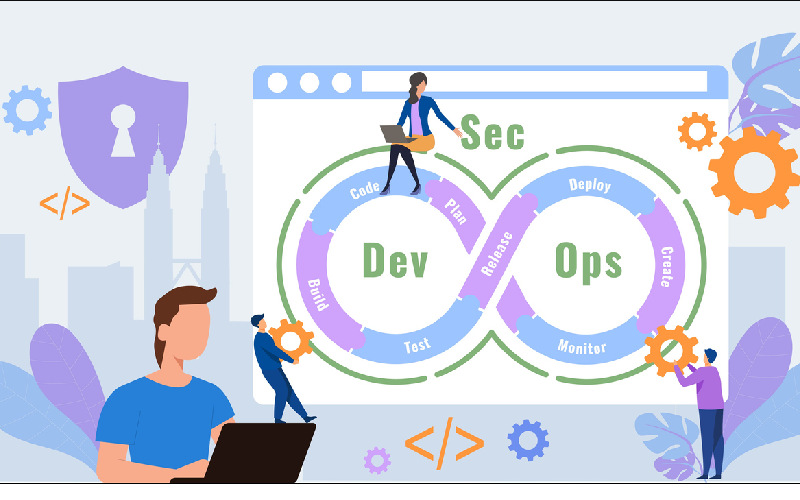
DevOps: Combines development and operations for continuous integration and delivery, emphasizing automation and feedback
Each method serves different types of projects, but all aim to deliver software that is functional, efficient, and user-centric.
The Role of Software in Modern Society
Software is no longer a support tool; it is a driver of transformation. It reshapes industries, disrupts traditions, and redefines human experiences. From healthcare to finance, education to entertainment, software has become the operational core.
Areas Profoundly Impacted by Software:
-
Healthcare: Electronic medical records, diagnostic tools, robotic surgery systems
-
Finance: Online banking, cryptocurrency, automated trading platforms
-
Education: E-learning platforms, virtual classrooms, personalized learning algorithms
-
Transportation: Navigation systems, autonomous vehicles, ride-sharing apps
The proliferation of software has democratized access to services and opened new frontiers of efficiency, connectivity, and intelligence.
The Ethics and Responsibility of Software
With great power comes great responsibility. Software now influences elections, monitors public health, governs financial transactions, and curates personal content. As such, ethical considerations are increasingly vital in software development.
Key ethical issues include:
-
Privacy: How data is collected, stored, and used
-
Bias: Algorithms that unintentionally reflect societal prejudices
-
Security: Protecting users from cyber threats and vulnerabilities
-
Transparency: Clarity in how software functions and makes decisions
Developers, companies, and regulators must work together to ensure software serves the common good rather than unchecked corporate or political interests.
The Future of Software: Intelligent, Invisible, Integrated
The future of software is both exciting and complex. We are moving toward environments where software becomes increasingly intelligent, learning from user behavior and adapting in real-time. Artificial intelligence, machine learning, and natural language processing are already redefining what software can do.
Moreover, software is becoming more invisible—embedded seamlessly into devices, services, and systems in ways users may not even recognize. Smart homes, wearable tech, and connected vehicles are just the beginning.
Finally, software is growing more integrated. Cross-platform compatibility, API-driven ecosystems, and cloud-native architectures are creating a web of interdependent systems that can function in harmony, unlocking vast new potentials for innovation and growth.
Final Reflections: Software as a Living Force
Software is not a static product but a living force—constantly evolving, expanding, and refining itself. It is written, reviewed, updated, and occasionally rebuilt from the ground up. At its best, it reflects human intention, creativity, and purpose, offering tools to solve problems and enhance lives.
Yet software also demands vigilance. Its reach into our lives brings with it responsibilities—to build wisely, act ethically, and always consider the human impact behind the code.
As we continue to navigate this digital century, one truth remains clear: software is not merely a tool we use. It is a language we speak, a canvas we create upon, and a framework that now defines the very rhythm of modern civilization.