

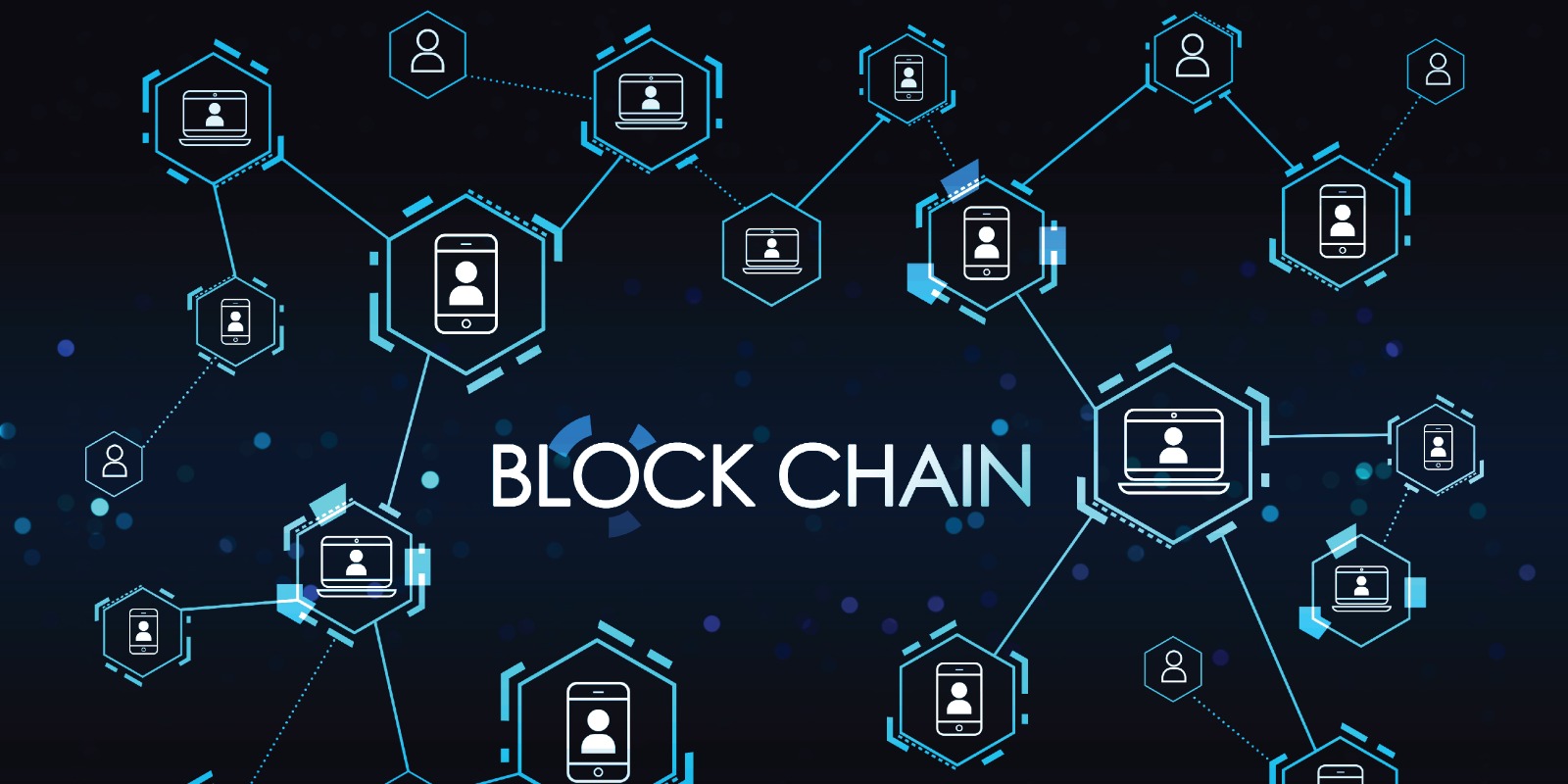
Digital trust has become a foundational requirement in an era where data, transactions, and identities exist primarily online. Traditional trust models rely heavily on centralized authorities, which can introduce single points of failure. Blockchain technology is reshaping this landscape by enabling trust to be established through technology rather than intermediaries.
Understanding Digital Trust in the Modern World
Digital trust refers to the confidence users have that systems will operate securely, transparently, and reliably. It affects how people share data, conduct transactions, and engage with digital services.
Core elements of digital trust include:
- Data integrity and accuracy
- Security and privacy protection
- Transparency in processes
- Reliability of systems and records
Blockchain addresses these elements at a foundational level.
Decentralization Eliminates Single Points of Failure
Traditional systems rely on centralized databases controlled by a single organization. Blockchain distributes data across a network, making manipulation significantly harder.
Benefits of decentralization include:
- Reduced risk of data tampering
- Improved system resilience
- No single authority controlling information
Trust is established through consensus rather than centralized control.
Immutable Records Build Confidence
Once data is recorded on a blockchain, it cannot be altered without network consensus. This immutability ensures that records remain accurate and verifiable over time.
Why immutability matters for trust:
- Prevents unauthorized changes
- Creates reliable audit trails
- Enhances accountability
This feature is especially valuable for financial records, supply chains, and identity systems.
Transparency Without Compromising Security
Blockchain systems offer transparency by allowing participants to verify transactions independently while still protecting sensitive data.
Key transparency advantages:
- Publicly verifiable transaction histories
- Reduced information asymmetry
- Increased confidence in system fairness
Cryptographic techniques ensure that transparency does not expose private information.
Strengthening Digital Identity Management
Digital identity is a major challenge in online environments. Blockchain enables self-sovereign identity models where individuals control their own credentials.
Improvements to identity trust include:
- Reduced identity theft and fraud
- User-controlled data sharing
- Verifiable credentials without centralized databases
This shifts trust away from institutions and toward user-owned identity systems.
Smart Contracts Reduce the Need for Intermediaries
Smart contracts are self-executing agreements written into blockchain code. They automatically enforce terms when predefined conditions are met.
How smart contracts enhance trust:
- Eliminate manual intervention
- Reduce disputes and ambiguity
- Ensure consistent execution of agreements
Trust is placed in code logic rather than third-party enforcement.
Improving Trust in Supply Chains
Supply chains often suffer from limited visibility and accountability. Blockchain introduces shared, tamper-proof records across all participants.
Trust benefits for supply chains include:
- Real-time product traceability
- Verification of origin and authenticity
- Reduced fraud and counterfeiting
This transparency strengthens trust between businesses and consumers alike.
Financial Systems and Transaction Integrity
Blockchain has transformed how value is exchanged digitally. Transactions are verified by networks rather than centralized financial institutions.
Trust-related advantages include:
- Faster settlement times
- Reduced transaction costs
- Lower risk of manipulation or double spending
These features increase confidence in digital financial interactions.
Challenges and Responsible Adoption
While blockchain enhances digital trust, it is not without challenges. Scalability, energy consumption, and regulatory uncertainty remain important considerations.
Responsible adoption requires:
- Careful system design
- Compliance with legal frameworks
- Education for users and organizations
Trust grows when blockchain solutions are implemented thoughtfully.
Conclusion
Blockchain technology is fundamentally changing how digital trust is established and maintained. By enabling decentralization, immutability, transparency, and user control, it reduces reliance on traditional intermediaries and builds confidence directly into digital systems. As adoption expands, blockchain has the potential to become a cornerstone of trustworthy digital interactions across industries.
Frequently Asked Questions (FAQ)
1. How does blockchain create trust without a central authority?
Trust is established through distributed consensus, cryptographic security, and transparent verification instead of centralized control.
2. Is blockchain trust completely automatic?
No. While blockchain enhances trust, system design, governance, and responsible use still play critical roles.
3. Can blockchain improve trust for everyday users?
Yes. It enables greater transparency, data control, and protection against fraud in many digital services.
4. Does transparency mean all data is public on a blockchain?
Not necessarily. Many blockchains use encryption and permissions to balance transparency with privacy.
5. How does blockchain reduce fraud?
Immutable records and verification mechanisms make unauthorized changes and fake transactions extremely difficult.
6. Is blockchain trust limited to financial applications?
No. Blockchain is used in identity management, healthcare, supply chains, voting systems, and more.
7. Will blockchain replace traditional trust institutions?
It is more likely to complement or transform them rather than fully replace them, depending on the use case.