
Introduction: The Quiet Architect of the Digital Age
Look around your world—your smartphone resting on the desk, the smart TV flickering with endless options, the smartwatch monitoring your heartbeat. At the core of all these conveniences lies an invisible architect: software. While hardware is the tangible shell, software is the soul that animates our modern devices. It translates human intention into machine action, bridging imagination with execution. In our digital era, software does not merely support life—it shapes it.
What Is Software? More Than Just Code
At its essence, software is a collection of instructions that tell hardware what to do. But reducing it to ‘instructions’ would be like calling a symphony ‘a series of notes.’ Well-crafted software is an intricate dance of logic, architecture, and user experience. It can take the form of operating systems that manage complex resources, applications that solve precise problems, or embedded software that hums quietly inside everyday appliances.
We can think of software broadly in three main categories:
-
System Software: This includes operating systems like Windows, macOS, or Linux, which manage hardware and create an environment for other programs to run.
-
Application Software: From word processors to graphic design tools, these are the programs people interact with directly to perform tasks.
-
Embedded Software: Found within cars, home appliances, and medical devices, this software works behind the scenes, often invisible yet indispensable.
The Software Development Life Cycle: From Idea to Execution
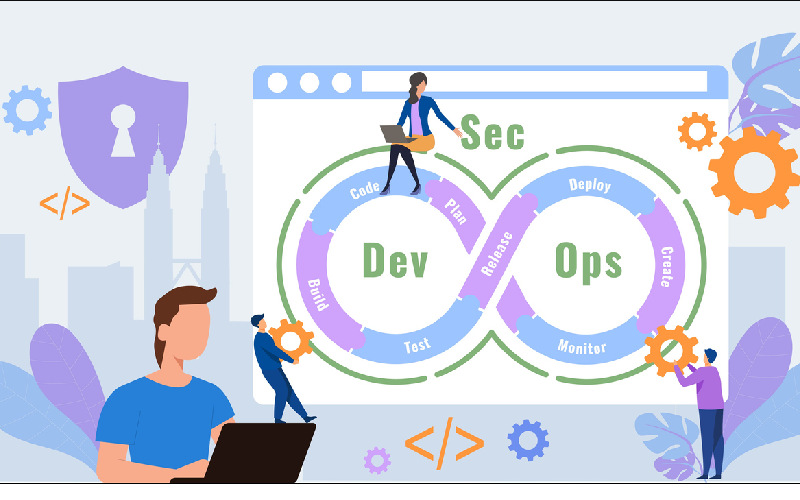
The journey of software from idea to implementation is a meticulous, multi-stage process. Each stage demands a blend of creativity, discipline, and adaptability.
-
Requirement Analysis: Understanding the problem the software must solve and defining clear objectives.
-
Design: Crafting the architecture—how different parts will interact, what technologies will be used, and how data will flow.
-
Coding: Translating design blueprints into working code, line by line.
-
Testing: Identifying and fixing bugs, ensuring the software works under all anticipated conditions.
-
Deployment: Releasing the software to its intended users.
-
Maintenance: Updating features, fixing vulnerabilities, and adapting to new requirements as technology and user needs evolve.
This cycle is rarely linear. Modern methodologies like Agile emphasize iterative development—building in small, testable increments, gathering feedback, and improving continuously.
Programming Languages: The Diverse Tongues of Software
Software speaks many languages. Each has its distinct syntax, strengths, and cultural footprint.
-
Python: Revered for its readability and versatility, powering data science, web applications, and AI research.
-
Java: The backbone of countless enterprise systems and Android apps, known for its portability and robust security.
-
JavaScript: Essential for dynamic websites and interactive web applications.
-
C++ and C#: Popular for performance-heavy applications, including gaming engines and complex simulations.
-
Swift: Apple’s go-to for developing iOS and macOS apps with modern features and safety.
Choosing the right language can shape the efficiency, scalability, and future-proofing of any software project.
The Art of User-Centric Design
Software that works technically but frustrates the user is software that fails. The finest programs are invisible to the user’s mind—intuitive, responsive, and even delightful. Modern software design prioritizes user experience (UX) and user interface (UI) design. This means:
-
Intuitive Navigation: Clear pathways that reduce friction and guesswork.
-
Aesthetic Appeal: Interfaces that are visually pleasing yet functional.
-
Accessibility: Inclusive design that considers diverse needs, from screen readers to voice commands.
-
Responsiveness: Smooth, quick reactions to user input, building trust and satisfaction.
The goal is simple: users should spend less time figuring out the software and more time accomplishing their goals.
Open Source: The Collective Power of Shared Code
One of the most inspiring facets of software is the open-source movement. In an open-source world, developers share their code freely, inviting contributions from anyone willing to improve, adapt, or repurpose it.
Operating systems like Linux, web servers like Apache, and programming languages like Python owe much of their growth to open-source communities. This spirit of collaboration fuels innovation, democratizes access, and fosters a culture where knowledge knows no borders.
Challenges: The Double-Edged Sword of Rapid Innovation
Software’s pervasiveness brings challenges that grow more complex as technology advances.
-
Cybersecurity Threats: Each new feature or integration can become a vulnerability if not secured properly.
-
Data Privacy: As software collects and processes more personal data, ethical considerations grow urgent.
-
Technical Debt: Rushed development can lead to messy, unsustainable codebases that hinder future growth.
-
Platform Fragmentation: Developers must navigate countless operating systems, devices, and screen sizes.
Addressing these challenges requires not only technical skill but a profound sense of responsibility toward users and society at large.
Emerging Frontiers: The Software of Tomorrow
Looking ahead, the boundaries of what software can do continue to expand dramatically.
-
Artificial Intelligence: AI is weaving itself into everyday applications, from voice assistants to medical diagnostics.
-
Cloud Computing: Software is no longer confined to local machines; it now resides across vast, scalable cloud infrastructures.
-
Low-Code/No-Code Tools: These platforms empower non-programmers to build apps visually, widening who can create digital solutions.
-
Quantum Software: As quantum hardware evolves, entirely new programming approaches will be required to harness its mind-bending capabilities.
These developments promise extraordinary possibilities—but also demand thoughtful stewardship to ensure that software serves humanity, not the other way around.
Conclusion: The Living Blueprint of Human Ingenuity
At its core, software is a living testament to human curiosity, logic, and creativity. It transforms inert hardware into a vessel for ideas, dreams, and solutions. Each line of code carries intent—a quiet pact between developer and user that this tool will make life a little easier, faster, or more connected.
The next time you open an app, remember the silent marvel beneath your fingertip. It is the result of countless hours spent thinking, testing, and refining. It is proof that intangible lines of logic can shape economies, heal diseases, entertain billions, and spark revolutions.
In this sense, software is not merely technology—it is one of the defining languages of our age, and its story is still being written, line by line, click by click, across every corner of our digital world.