Beyond the Circuit: Unraveling the Enduring Significance of Hardware in a Digital World

Introduction: The Tangible Core of the Digital Realm
In our daily interactions with sleek apps, cloud ecosystems, and virtual experiences, it is easy to overlook the tangible foundation making it all possible—hardware. While software often claims the spotlight for its adaptability and user-centric shine, hardware stands as the resolute backbone of every digital experience. Without it, the shimmering world of zeros and ones would remain trapped in abstraction, never translating into the real, tactile utilities we now take for granted.
What Constitutes Hardware? A Layered Perspective
When most people hear the term hardware, they picture laptops, desktops, or perhaps the smartphone that rarely leaves their palm. Yet hardware is far more intricate and layered than its visible shell. Beneath every casing lie elaborate assemblies of interconnected parts, each fulfilling a crucial role:
-
Central Processing Unit (CPU): Often described as the ‘brain’ of any computing device, the CPU executes instructions and coordinates tasks.
-
Graphics Processing Unit (GPU): Initially crafted for rendering visuals, GPUs now power AI computations and complex simulations.
-
Memory (RAM): Provides rapid, temporary storage for active tasks, ensuring smooth multitasking.
-
Storage Drives (HDDs and SSDs): Safeguard long-term data, from operating systems to cherished photos.
-
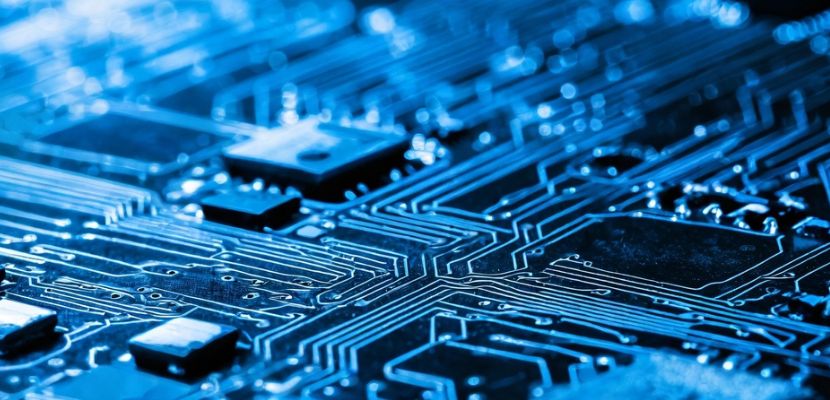
Motherboard: The primary circuit board that unifies all components, facilitating communication among them.
-
Power Supply Unit (PSU): Converts electricity from a wall socket into usable power for the entire system.
-
Peripherals: Input and output devices such as keyboards, mice, displays, and printers, which bridge the human-machine interface.
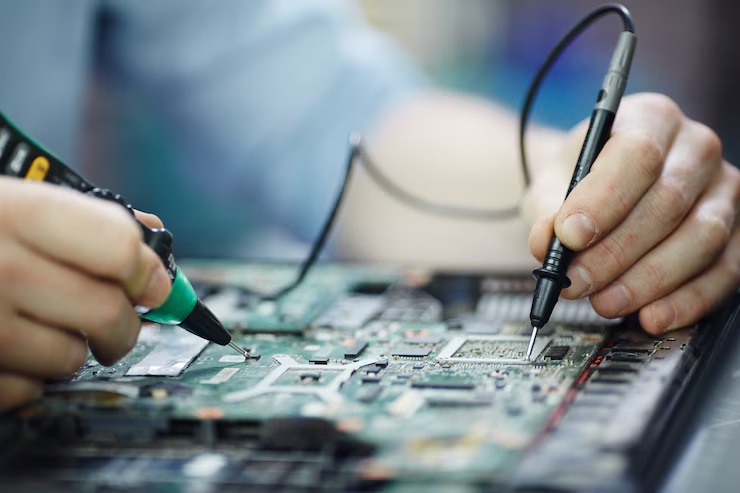
Understanding these parts illuminates why a single failing component can stall an entire workflow and why thoughtful hardware design underpins reliability.
Hardware Through the Ages: A Story of Shrinking Giants
Looking back reveals just how astonishing the evolution of hardware has been. Decades ago, computers like the ENIAC or the UNIVAC demanded entire rooms and a small army of operators to maintain their vacuum tubes. These machines, primitive by today’s standards, laid the groundwork for modern computing.
The invention of the transistor in 1947 shrank colossal machines into manageable sizes. By the 1970s, the birth of the microprocessor condensed computational power onto silicon chips no larger than a fingernail. Moore’s Law famously predicted the doubling of transistors every two years—a prophecy that held true for decades and propelled technology into an age of pocket-sized devices with computing power unimaginable to the pioneers of the field.
Design and Craftsmanship: The Silent Elegance
Modern hardware is not simply a feat of brute engineering; it is an art form that balances precision, aesthetics, and ergonomics. A well-crafted laptop or smartphone is the culmination of countless design decisions, each aimed at harmonizing power with portability and durability with delicacy.
Consider the finesse involved in dissipating heat from increasingly compact devices. Advanced thermal solutions like heat pipes, vapor chambers, and smart fan controls ensure high performance does not come at the expense of user comfort or component longevity.
Quality hardware design also respects the human form. A keyboard’s tactile feedback, a smartphone’s weight distribution, or the curvature of a wearable device all reflect careful consideration of how humans interact with machines daily.
The Environmental Reckoning: A Call for Sustainable Hardware
As we revel in the convenience of our gadgets, an inconvenient truth looms large—e-waste is one of the fastest-growing waste streams globally. Discarded smartphones, obsolete laptops, and dated home appliances pile up in landfills, leaking toxins and burdening ecosystems.
Forward-thinking companies are slowly embracing sustainability, recognizing that hardware must evolve not only in performance but also in its environmental footprint. Emerging solutions include:
-
Modular Design: Devices engineered for easier repairs and upgrades extend product lifespan.
-
Recycled Materials: Manufacturers now integrate recycled aluminum, plastics, and rare earth elements to curb raw material extraction.
-
Energy Efficiency: Advances in low-power processors and smarter energy management reduce power consumption.
-
End-of-Life Programs: Many brands encourage users to return old devices for responsible recycling or repurposing.
While much work remains, these measures offer a glimmer of hope for reconciling technological progress with planetary responsibility.
The Interplay: Hardware and Software in Harmony
It is tempting to frame hardware and software as separate realms. In reality, they exist in a delicate, interdependent dance. Software demands the right hardware muscle to perform its magic. Likewise, groundbreaking hardware often enables software innovations.
Consider how high-end GPUs unlocked modern artificial intelligence research or how the transition from spinning hard drives to lightning-fast SSDs revolutionized boot times and user expectations. Even cloud computing—a term that feels ethereal—relies on vast server farms humming with physical machines that require cooling, maintenance, and strategic placement across continents.
Modern Challenges: Complex Supply Chains and Global Stakes
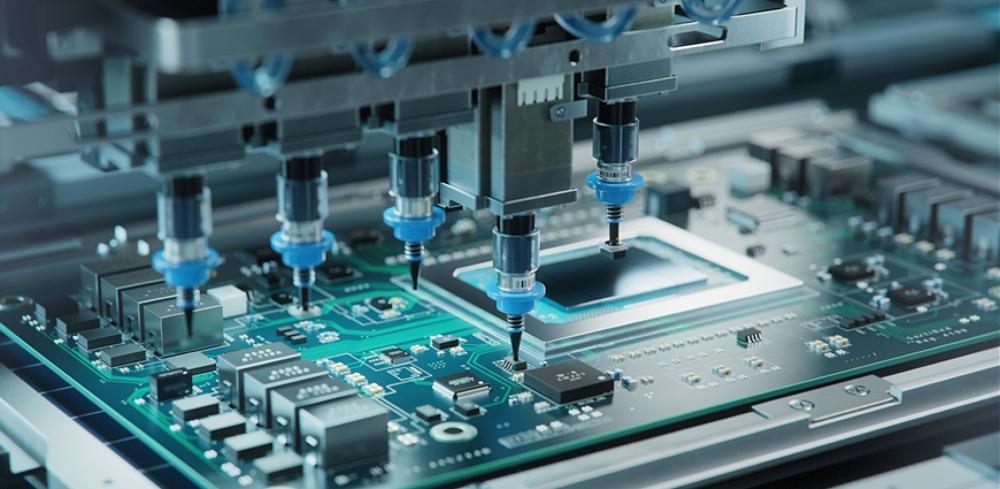
Developing hardware is not only an engineering feat but also a logistical puzzle. Semiconductor fabrication, for instance, is an immensely complex process concentrated among a few key players. Events like the global chip shortage during the COVID-19 pandemic exposed just how vulnerable these supply chains are, disrupting industries from automotive to gaming.
Geopolitics, too, has entered the hardware arena. Nations now see chip manufacturing as critical infrastructure, prompting massive investments in local fabs and fierce competition for technological sovereignty.
Peering Ahead: The Hardware Frontiers
Hardware’s story is far from written. Researchers are pushing boundaries with quantum computing—machines that promise to harness qubits to solve problems far beyond classical computers’ reach. Brain-computer interfaces hint at hardware that might one day translate thoughts directly into digital actions. Flexible screens and foldable devices are redefining form factors, blending once-rigid gadgets into adaptable tools.
Even the humble battery—often the limiting factor for portable devices—stands on the brink of transformation through breakthroughs in solid-state technology and novel materials.
Conclusion: Celebrating the Unsung Foundation
Every time you stream a film, compose a message, or navigate a virtual meeting, remember the intricate orchestra of hardware working tirelessly beneath the surface. It is the steadfast bridge connecting human potential with the boundless possibilities of the digital realm.
In a world dazzled by shiny software updates and intangible clouds, hardware remains the silent yet indispensable craftsman. It is the manifestation of engineering precision, design elegance, and, increasingly, environmental consciousness. To overlook hardware is to ignore the tangible magic that turns dreams into actions, ideas into realities, and fleeting thoughts into enduring impact.