
Introduction: The Unsung Hero Behind Every Innovation
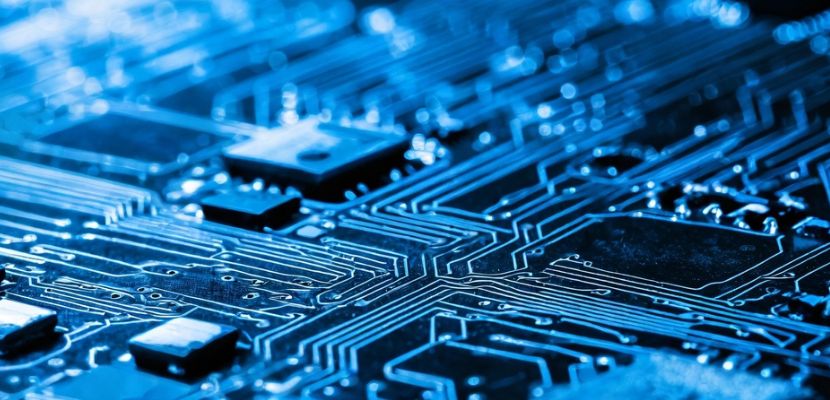
When we marvel at the feats of modern technology—from powerful software suites to dazzling entertainment and lightning-fast communication—we often forget the physical enabler of it all: hardware. Unlike software’s fluidity, hardware is tangible, steadfast, and unforgiving. It forms the bedrock upon which the digital world is built. Without meticulously designed circuits, resilient processors, and durable components, the cloud would be a fantasy, artificial intelligence a mere concept, and our pocket-sized supercomputers—smartphones—unimaginable.
Understanding Hardware: The Physical Heart of Technology
In its simplest sense, hardware refers to the physical elements that make up a computer system or any electronic device. This includes everything from the central processing unit (CPU) humming quietly inside your laptop to the solid-state drive (SSD) storing priceless memories and data. To appreciate hardware is to understand the silent, ceaseless work it performs every second, often without praise or recognition.
Key components that define modern hardware include:
-
Processor (CPU/GPU): The brain responsible for executing commands and rendering graphics
-
Memory (RAM): The short-term workspace that stores active tasks
-
Storage (HDD/SSD): The vault for data, from operating systems to treasured photos
-
Motherboard: The central hub connecting all components
-
Power Supply: The steady lifeline delivering energy
-
Peripherals: External devices like keyboards, monitors, and printers that bridge human and machine
Each part, while distinct in function, forms a symbiotic relationship with the rest, creating a seamless experience for the user.
The Evolution of Hardware: From Room-Sized Giants to Pocket Wonders
To grasp the brilliance of today’s hardware, one must glance back at its humble origins. Early computers like ENIAC filled entire rooms, their circuits fragile and maintenance-heavy. Transistors replaced vacuum tubes, drastically shrinking size and power consumption while boosting reliability.
The rise of microprocessors in the 1970s ignited a revolution, condensing computing power onto tiny silicon chips. Moore’s Law—a prediction that the number of transistors on a chip would double every two years—held remarkably true for decades, fueling exponential growth in capability.
This relentless miniaturization and refinement birthed the smartphones we carry, the tablets we tap, and the wearables we trust to track our health. From sprawling mainframes to featherlight laptops, hardware’s trajectory is a testament to human ingenuity.
Designing Hardware: Where Engineering Meets Artistry
Behind every sleek gadget lies painstaking design and rigorous engineering. Hardware must balance performance, durability, heat management, and aesthetic appeal—all within constraints of cost and energy efficiency.
A masterfully crafted piece of hardware:
-
Maximizes performance without overheating
-
Uses quality materials to extend lifespan
-
Incorporates energy-efficient components to preserve battery life
-
Aligns ergonomics with function for user comfort
Consider the difference between a poorly ventilated laptop that overheats after an hour of use and a premium device that remains cool under pressure. This contrast reflects thoughtful hardware engineering—a blend of physics, material science, and user-centered design.
Sustainability: A New Imperative for Hardware Makers
As technology consumption accelerates, so does the environmental burden. E-waste—discarded hardware—has become a pressing global issue. Forward-thinking manufacturers now face the challenge of designing hardware with sustainability in mind.
Key steps towards greener hardware include:
-
Modular Design: Allowing users to replace or upgrade parts rather than discard entire devices
-
Recycled Materials: Integrating responsibly sourced or repurposed metals and plastics
-
Energy Efficiency: Creating components that consume less power
-
Responsible Disposal: Establishing programs for safe recycling and reuse
Sustainability is no longer optional—it is the moral responsibility of an industry shaping our future.
The Hardware-Software Symbiosis
While hardware is often overshadowed by software’s glamour, the two are inseparable partners in progress. Even the most advanced software is useless without capable hardware to run it. Artificial intelligence algorithms demand GPUs with immense parallel processing power. Immersive virtual reality experiences require precise sensors and displays. Cloud computing hinges on robust server farms with efficient cooling and massive storage capacity.
This synergy means that breakthroughs in hardware invariably expand software’s horizons—and vice versa. Consider how solid-state drives have redefined expectations for boot times and data transfer, or how powerful GPUs have fueled the explosion of AI research.
Challenges: The High Stakes of Hardware Development
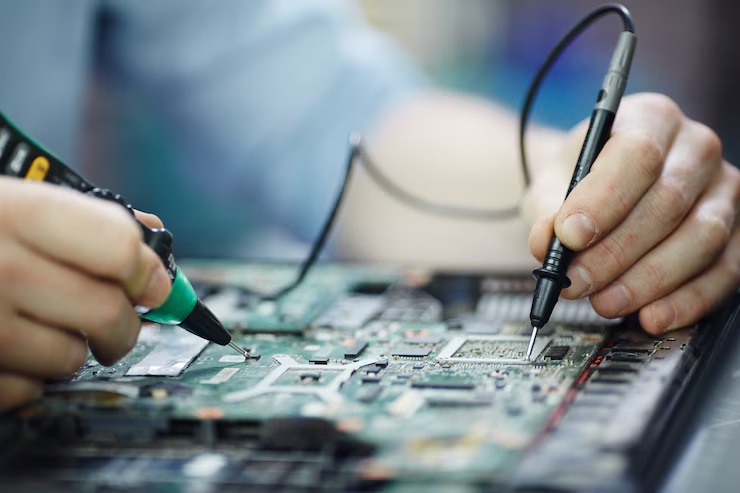
Unlike software, which can be updated or patched overnight, hardware design leaves little room for error. A single design flaw can result in massive recalls, reputational damage, and millions in losses. This is why hardware development cycles are rigorous and iterative, involving prototypes, stress testing, and countless hours of refinement.
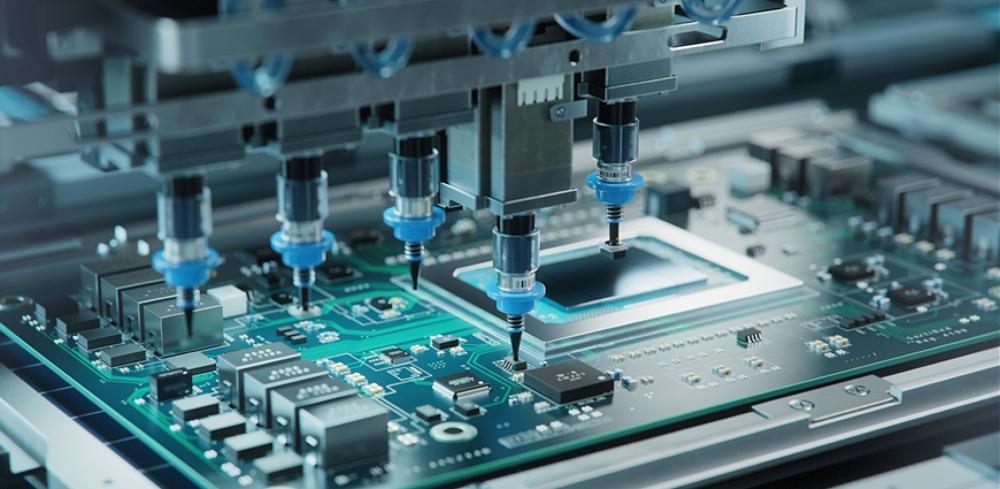
Moreover, the geopolitical dimension cannot be ignored. Semiconductor manufacturing is concentrated in a handful of regions, and supply chain disruptions—like the global chip shortage during the pandemic—highlight the vulnerability of our hardware-dependent world.
The Future: What Lies Ahead for Hardware
Emerging technologies hint at a dazzling future for hardware. Quantum computing promises unimaginable processing power, potentially solving problems once deemed intractable. Flexible displays and foldable devices suggest new ways to interact with screens. Brain-computer interfaces are pushing boundaries between biology and silicon, hinting at hardware that may one day seamlessly merge with our neural pathways.
As the Internet of Things (IoT) expands, billions of smart sensors and devices will blanket our cities, homes, and even our clothing, demanding innovations in miniaturization, power efficiency, and connectivity.
Conclusion: Celebrating Hardware’s Quiet Mastery
In a world enamored with apps and digital experiences, hardware remains the steadfast hero—unassuming yet indispensable. It is the patient enabler of our digital dreams, a marvel of precision and progress that often goes unnoticed until it falters.
Every tap on a screen, every streamed movie, every life saved by medical technology owes a debt to the engineers, designers, and visionaries who shape the hardware beneath the surface. As we stand on the cusp of an even more connected, intelligent world, let us not forget to honor the tangible marvels that make our intangible wonders possible. Hardware, in its quiet mastery, deserves nothing less.