

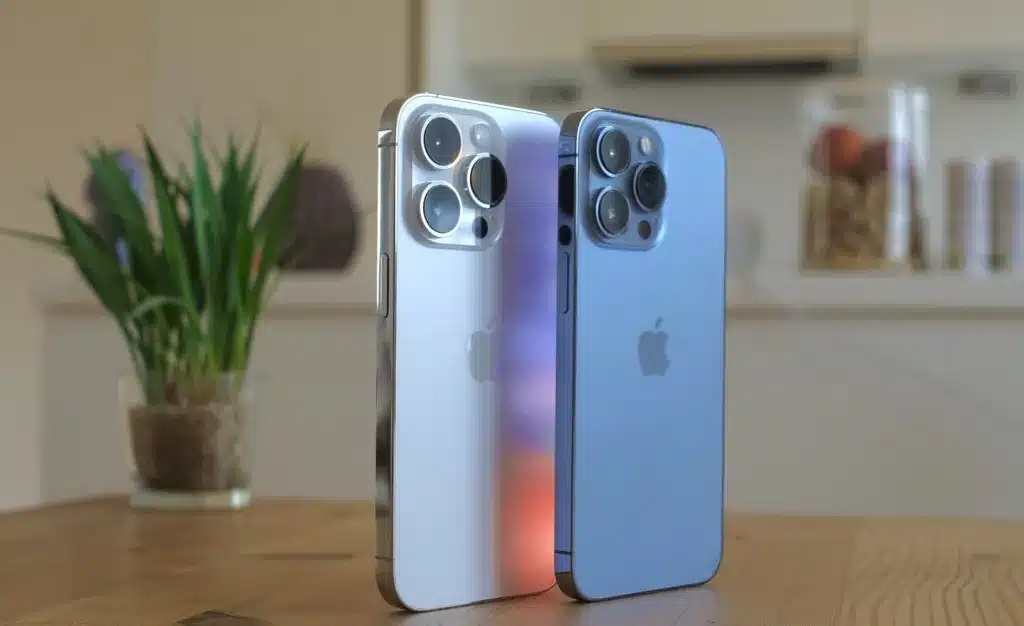
Anyone who has tried to source ten identical, unlocked, current-generation handsets at short notice knows how quickly a straightforward brief becomes a logistical headache. Retail stock varies by model and colour, contracts tie devices to a network for two years, and by the time the paperwork clears, the project the phones were needed for has often moved on. This is why a growing number of UK organisations now rent iPhone handsets for specific projects rather than buying and provisioning a permanent fleet.
The reasons are practical rather than fashionable. Film and television productions need exact current models for on-screen continuity. App teams need a spread of hardware to test against real-world fragmentation. Businesses hosting visiting staff or international delegates need UK-ready handsets that work the moment someone lands. In each case, ownership solves a problem that only exists for a few days or weeks, while a flexible hire arrangement solves it precisely and then disappears from the balance sheet. That trade-off sits behind most of what follows.
On-Screen and On-Set: Why Production Teams Rent iPhone Handsets
Television, film and commercial production is one of the clearest cases for hiring rather than owning. When a script calls for a character to use a current iPhone, the model on screen has to match what audiences actually recognise — an outdated handset breaks the illusion just as surely as a continuity error in wardrobe.
Camera and sound departments have their own reasons entirely separate from what appears on screen. iPhones are increasingly used as B-cameras, as reference monitors, and as capture devices in their own right, particularly for behind-the-scenes content and social cutdowns that now sit alongside the main deliverable. A production might need:
- Several identical handsets for continuity across multiple takes and units
- A specific current model for hero shots or product placement
- Additional devices purely for monitoring, playback or crew communication
- Handsets available for a defined shoot window, then returned once wrapped
UK production schedules rarely allow weeks of lead time, and a shoot that only needs the devices for three days has no real use for them afterwards. Renting matches the equipment to the schedule rather than the other way round, and it avoids a production company accumulating a drawer of handsets that were only ever needed once.
App Development and QA: Testing Across iOS Versions and Screen Sizes
For development and quality assurance teams, the appeal of iPhone rental sits less in the model itself and more in the variety. Apple’s ecosystem covers several screen sizes, chip generations and iOS versions still in active use, and a genuinely thorough test pass has to account for all of them, not just the newest release a developer happens to carry.
Matching Devices to a Fragmented Testing Landscape
Simulators are useful for early development, but they cannot fully replicate real touch input, camera behaviour, battery-dependent performance or the quirks that only show up on physical hardware. A QA team preparing for a release or an app store submission often needs:
- Current and previous-generation models to check performance parity
- A range of screen sizes to catch layout and safe-area issues
- Devices running different iOS versions, since not every user updates immediately
- Short-term access around a release window rather than year-round ownership
Buying a full test bench of handsets is expensive and dates quickly — each Apple hardware cycle can make part of that bench redundant. Hiring the specific spread of devices needed for a testing sprint, then returning them once the release ships, keeps the test matrix current without the ongoing capital commitment.
Visiting Staff, International Delegates and Temporary UK Placements
Businesses that regularly host visiting staff, secondees or international delegates face a recurring, low-glamour problem: someone arrives in the UK for a fixed period and needs a working handset from day one, without the delay of arranging a local contract or the expense of international roaming.
This applies just as much to secondments and project placements as to short visits. A consultant flown in for a client engagement, a researcher on a fixed-term UK assignment, or a delegation attending a series of meetings all need a phone that works immediately, holds the right apps and settings for the visit, and can be collected again without anyone chasing down hardware afterwards.
A temporary handset solves this cleanly. It arrives configured, is used for the duration of the stay, and is returned at the end of it — no leftover SIM contracts, no device sitting unused in a drawer once the person has gone home, and no awkward conversation about who owns a phone nobody quite remembers issuing.
Product Launches, Press Demonstrations and the UK Trade Show Calendar
Product launches and press events place a different kind of pressure on hardware planning. Marketing and product teams often need current-model iPhones as demo units, whether that means running a companion app, showcasing a connected device, or simply having polished, uniform handsets on a stand for visitors to handle.
The UK’s exhibition and conference calendar runs in concentrated bursts throughout the year, and demand for short-term equipment tends to spike around those windows. A launch event or trade show typically needs handsets for a matter of days, in a consistent set, often reset and reconfigured between sessions. Buying that quantity outright, only to have it sit idle for the other fifty weeks of the year, rarely makes sense.
Field research and mystery shopping programmes raise a similar point on a smaller scale — a researcher might need a specific handset purely to test an app, a checkout flow or a customer journey exactly as an ordinary user would experience it, for the length of the study and no longer.
Data Protection, Device Wiping and Handover Discipline
None of the above works without proper handling of the device itself. A handset used on a production, a test bench or a client engagement inevitably picks up data — logins, contacts, cached files, saved networks — and UK data protection obligations mean that data cannot simply be left in place when the device changes hands.
A responsible hire process builds this in as standard, not as an afterthought. That means:
- A verified factory reset and full data wipe between hires
- Removal of the previous user’s Apple ID and any device-level accounts
- Reconfiguration to a clean, business-ready state before dispatch
- Clear records of who held the device and for what period
For many organisations, the simplest way to get this right is to work with a specialist iPhone rental service that treats wiping and device management as a core part of the process rather than something the hiring business has to manage itself. That matters as much for a five-day trade show loan as it does for a six-month placement, and it is one of the clearest advantages of working with a provider that handles UK iPhone rental regularly rather than buying a device and hoping the reset is done properly when it is eventually passed on or sold.
The Financial Case: Avoiding Capital Outlay on Fast-Depreciating Hardware
Underneath all the operational reasons sits a straightforward financial one. Smartphones depreciate quickly, and a handset bought for a single project is often worth a fraction of its purchase price by the time that project ends — assuming it is even still needed by then.
Buying outright ties up capital in an asset with a short useful life for the business’s actual purpose, plus the ongoing cost and effort of storage, insurance, software updates and eventual disposal. Renting turns that same requirement into a predictable, short-term operating cost that ends when the hire does. That said, this only holds up when the need is genuinely temporary or variable — a business issuing the same handset to the same employee for years is usually better served by ownership. The calculation changes when the requirement is intermittent: a production company, an agency running occasional demo events, or an IT team testing ahead of quarterly releases rarely benefits from owning hardware that spends most of its life in a drawer.
What to Check Before Booking a Handset Rental
Not every hire arrangement is put together with the same level of care, and a handful of practical questions upfront tend to separate a smooth booking from a stressful one.
Model and colour availability is the obvious starting point — production and marketing briefs in particular are often specific about needing an exact current model, so confirming stock rather than assuming availability avoids a last-minute scramble. Beyond that, it’s worth clarifying:
- Whether the handset comes SIM-ready or requires a separate connectivity arrangement
- What happens if a device is lost, damaged or fails during the hire period, and what that costs
- The exact collection or return window, particularly for productions or events running to a tight schedule
- Whether accessories — chargers, cases, or specific cables for camera rigs — are included as standard
Insurance cover is worth confirming explicitly rather than assuming it’s included. A handset used on a busy set or a crowded exhibition stand is more exposed to accidental damage than one sitting on an office desk, and knowing where liability sits before the device leaves the warehouse avoids an awkward conversation later. None of this takes long to establish, but skipping it is where otherwise straightforward hire arrangements tend to come unstuck.
Conclusion
The common thread across production, testing, hosting and events is that the need for an iPhone is often real but temporary, and matching the commitment to that timeframe is simply better planning. Buying hardware for a three-day shoot or a one-off trade show stand creates an asset with no ongoing purpose, while a short-term hire matches supply to the actual requirement and disappears from the books once the job is done.
None of this is about a single trend or platform quirk. It reflects how project-based work actually runs in the UK — schedules are tight, teams are often assembled for a defined period, and the hardware needs to keep pace with that rather than dictate it. Whether the driver is on-screen continuity, a fragmented iOS testing matrix, a visiting colleague who needs a working handset by morning, or simply the arithmetic of depreciation, the underlying logic is consistent: pay for access to current, properly managed devices only for as long as the work requires them, and let someone else worry about what happens to the hardware afterwards.