Lines of Logic: Unveiling the Art, Science, and Human Touch of Programming

Introduction: A Hidden Engine of Modern Civilization
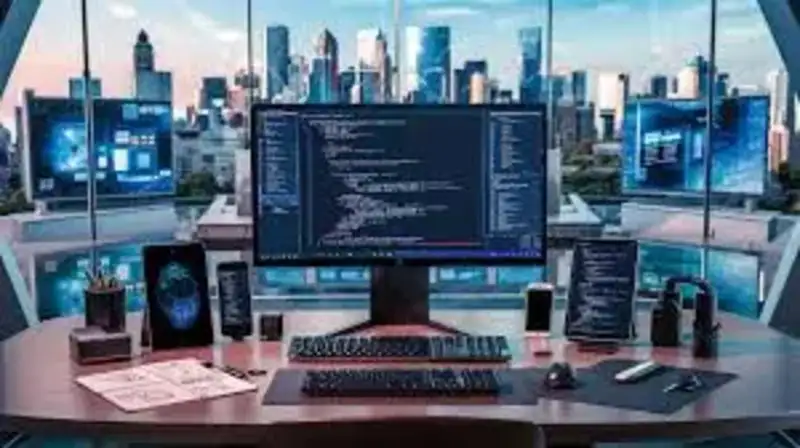
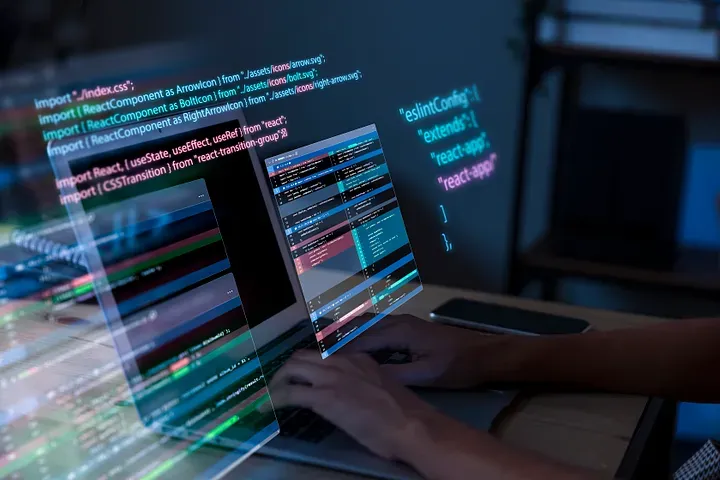
When most people think of programming, they imagine lines of cryptic symbols glowing on a dark screen. Yet behind this unassuming façade lies a discipline that powers every corner of our connected world. From the apps that wake us up each morning to the algorithms that guide planes through the skies, programming is the invisible language of modernity. It is both a meticulous craft and a creative endeavour—an intersection where abstract ideas become tangible, interactive realities.
Defining Programming: Instruction, Intellect, and Imagination
At its simplest, programming is the act of telling a computer what to do. But this definition does little justice to the complexity and subtlety involved. A programmer doesn’t merely issue commands—they design systems that interpret, adapt, and sometimes even learn. Programming, therefore, is part science, part art, and wholly reliant on the human capacity to think logically while dreaming boldly.
A Tour of Programming Languages: A Palette for the Digital Canvas
Over the decades, countless programming languages have emerged, each designed to solve specific problems and suit different ways of thinking.
Some notable languages include:
-
C: The sturdy workhorse of operating systems, embedded systems, and hardware-level programming.
-
Python: Known for its elegant syntax and readability, ideal for rapid development, AI, and data analysis.
-
JavaScript: The heartbeat of interactive web development, bringing static pages to life.
-
Java: Renowned for its portability across platforms, powering everything from enterprise software to Android apps.
-
Rust: A modern favorite praised for its focus on memory safety and performance.
-
Go: Valued for its simplicity and concurrency, perfect for scalable cloud applications.
Each language is like a dialect within the broader conversation between humans and machines. Choosing the right one can define the success, security, and longevity of a project.
The Programmer’s Mindset: Structured Thinking Meets Creative Problem-Solving
Ask any seasoned programmer, and they will say the job is as much about how you think as what you write. Programming rewards clear thought, rigorous logic, and relentless curiosity. It requires:
-
Problem Decomposition: Breaking complex tasks into manageable, solvable parts.
-
Pattern Recognition: Spotting common solutions to recurring challenges.
-
Debugging Resilience: Patience and perseverance when tracking down elusive bugs.
-
Lifelong Learning: The willingness to evolve alongside new frameworks, languages, and paradigms.
The act of coding often slips into a state of flow—a focused immersion where hours dissolve as problems untangle and solutions emerge.
The Journey from Idea to Execution: How Code Comes to Life
A single line of code might be typed in seconds, but creating reliable software is a rigorous, layered process.
-
Ideation: Defining what the program should do and why.
-
Design: Outlining how different pieces will interact, selecting the right tools and frameworks.
-
Implementation: Translating ideas into working code, line by line.
-
Testing: Ensuring the code works as intended, identifying hidden bugs, and verifying performance.
-
Deployment: Releasing the code to real users, often scaling to millions of devices.
-
Maintenance: Updating, refining, and securing the software as needs evolve.
This journey repeats in cycles. Modern development embraces an iterative process—building, testing, learning, and improving in sprints.
Open Source: The Generous Spirit of Shared Code
Perhaps nothing showcases programming’s communal heart more than the open-source movement. In open source, developers publish their code publicly, inviting others to use, improve, and build upon it.
Many cornerstones of modern technology—Linux, Python, Apache, WordPress—grew out of open-source communities. This model fuels rapid innovation, democratizes knowledge, and provides a platform where anyone, anywhere, can contribute to world-changing tools.
Challenges in Today’s Programming Landscape
Programming is both exhilarating and daunting. As systems grow more complex, programmers must grapple with:
-
Cybersecurity Threats: Crafting code resilient to attacks and vulnerabilities.
-
Scalability: Designing systems that handle vast amounts of users and data without buckling.
-
Cross-Platform Consistency: Ensuring software works flawlessly across devices and operating systems.
-
Ethics: Considering the impact of algorithms on privacy, fairness, and society at large.
These challenges demand more than technical skill—they call for ethical foresight and a strong sense of social responsibility.
The Human Factor: Collaboration and Community
Despite the cliché of the solitary coder, programming is deeply collaborative. Developers work in teams, review each other’s code, and contribute to shared repositories. Forums like Stack Overflow are lifelines for programmers worldwide, where a simple question can receive answers from strangers across the globe.
Hackathons, coding bootcamps, and online communities continue to attract new talent, lowering the barriers for entry and reminding us that programming, at its best, is a craft honed through connection and generosity.
Programming Tomorrow: The Road Ahead
The future of programming promises both continuity and reinvention. Emerging trends include:
-
AI-Assisted Coding: Tools like GitHub Copilot already suggest code snippets, automating repetitive tasks and accelerating development.
-
Low-Code and No-Code: Platforms that empower non-programmers to build apps visually, expanding who can create software.
-
Quantum Programming: As quantum computers evolve, entirely new paradigms of coding will be needed to tap their potential.
-
Sustainable Coding: Developers are increasingly mindful of creating efficient code that conserves computing power and reduces energy consumption.
As technology entwines more deeply with everyday life, the demand for thoughtful, ethical programming will only intensify.
Conclusion: Code as a Bridge Between Mind and Machine
Programming is a bridge—between raw computational power and the human imagination. It turns abstract logic into functioning realities that influence how we work, communicate, learn, and dream.
A well-crafted program carries within it countless hours of thinking, tinkering, and revising. It is evidence that humans, when armed with logic and creativity, can mold metal and silicon into instruments of immense potential.
In the quiet tap of keys and the blink of a cursor, programming reminds us that every modern convenience, every leap forward, begins with a simple question: What if we could teach a machine to help us do this?
In that humble question lies the power to build worlds.